
What Is My Rug Worth? Why One Rug Can Have Three Different Values
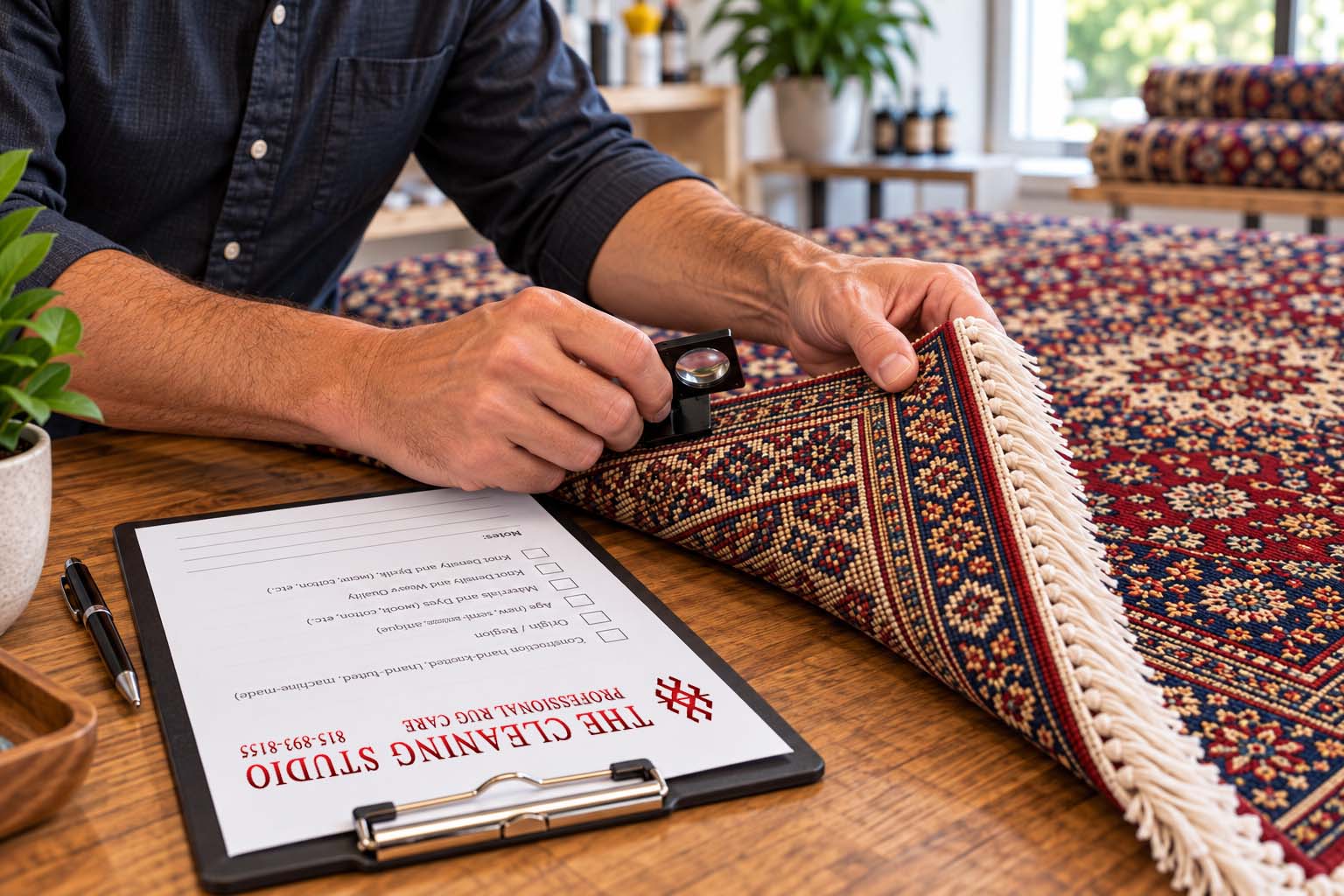
You pull a rug out of a late parent's home, or you finally get around to insuring the Persian rug in your dining room, and you ask the obvious question: what is it worth?
The honest answer is another question. Worth it for what?
That surprises a lot of homeowners in Northern Illinois and Southern Wisconsin. They expect a rug to have one price, the way a car has a blue book value. But a fine handmade rug can carry several very different values at the same moment, and every one of them can be correct. Which number you need depends entirely on why you are asking.
Getting this right is the single most important part of a rug appraisal. Here is how it works.
The Three Values Most Rug Owners Run Into
1. Insurance replacement value
This is what it would cost to replace your rug with a comparable one bought from a retail source today. It is usually the highest of the three numbers, and that is by design. If a fire, flood or theft takes your rug, you are not going to find an identical one at a garage sale. You will be shopping at retail.
When you need it: adding a rug to your homeowner's policy, scheduling it as a valuable item, or having documentation ready in case you ever need to file a claim.
2. Fair market value
This is the price a willing buyer and a willing seller would agree on, when both know the relevant facts and neither is forced to act. It is the "neutral" value, and it is the one the IRS and the courts generally care about.
When you need it: settling an estate, dividing belongings among heirs, a divorce, or donating a rug to a charity or museum.
3. Marketable cash value
This is what your rug would realistically bring if you sold it within a reasonable time through a dealer, an auction or a private sale. It is often the lowest of the three, because selling takes time and middlemen take a share.
When you need it: deciding whether to sell, pricing a rug for sale, or liquidating an estate.
Why the Wrong Number Can Cost You
Using a value for the wrong purpose is the most common appraisal mistake we see, and it can hurt in both directions.
Too low for insurance. Suppose you insure a rug based on what a dealer offered to pay for it. If a burst pipe ruins it, your coverage may fall far short of what it actually costs to replace.
Too high for a donation. Suppose you donate a rug and use an insurance appraisal to support your tax deduction. The insurance number is a retail replacement figure, not fair market value, so it can overstate what the IRS will accept. IRS Publication 561 also notes that for a donated item valued over $5,000, you generally need a "qualified appraisal" from a "qualified appraiser," with specific timing and content rules. If you are donating a rug, say so up front and confirm the details with your tax advisor.
Too optimistic for a sale. A seller who expects the insurance figure is likely to be disappointed by real offers. Knowing your marketable cash value ahead of time helps you set a fair price and recognize a lowball offer when you see one.
The fix is simple: always tell your appraiser exactly why you need the appraisal. A good report will state its purpose, the type of value and the date it applies to. If yours doesn't, it will be hard to use and easy to challenge. You can see the full list of what a thorough rug appraisal typically includes on our appraisals page.
What Makes One Rug Worth More Than Another
Whatever type of value you need, the same details drive the number:
- How it was made. Hand-knotted rugs generally hold value far better than hand-tufted or machine-made rugs.
- Where it was made. Origin and regional design traditions matter a great deal to collectors.
- Age. New, semi-antique and antique rugs are valued very differently.
- Materials and dyes. Wool, silk, cotton foundations and the quality of the dyes all play a part.
- Knot density and weave quality. Finer, tighter weaving usually signals more skilled work.
- Condition. Wear, moth damage, pet stains, color run, worn fringe and past repairs can all lower value.
Many of these clues are hard to judge from a photo. Knot density, fiber, dye quality and hidden repairs show up when an expert sees and handles the rug. That is why a reliable appraisal requires an in-person inspection.
Is Your Rug Worth Appraising?
Not every rug needs a formal appraisal. A machine-made rug, or a newer rug with a recent receipt, may not justify one. But it is worth a closer look if your rug:
- was inherited or has been in the family for decades
- came from overseas travel or a specialty rug dealer
- has a design that is clearly visible on the back, with knots that look slightly irregular (a common sign of a handmade rug; our post on the white specks you may see in handmade rugs explains another)
- is about to be insured, donated, sold or divided in an estate
If you are not sure, ask us during your next cleaning visit. We handle fine rugs every day and can often tell you whether a rug deserves a closer look.
Protect the Value Once You Know It
Condition is one of the biggest factors in what a rug is worth, so an appraisal and good care go hand in hand. Regular area rug cleaning removes the grit that wears down fibers. Moth repellent treatment helps guard wool against one of the most destructive rug pests. And professional rug repairs can stop small problems like loose fringe or worn edges from becoming big ones.
Cleaning before an appraisal can help, too. A clean rug shows its true colors and reveals details, and damage, that dirt can hide.
Get the Right Appraisal for the Right Reason
The Cleaning Studio works with Wade Shehady, a third-generation Oriental rug expert, to consult on rug appraisals. Pairing Wade's knowledge of rug origins, age and value with our hands-on experience caring for fine rugs gives you a clear picture of what your rug is, what condition it is in, and what it is worth for the purpose you need.
Learn more on our Rug Appraisals page, call us at (815) 893-8155, or contact us to ask about an appraisal for your rug.
Read more articles from our rug blog
Why Proper Rug Drying Matters After Cleaning
Smoke-Damaged Rug Cleaning After a House Fire in McHenry

Why Rugs Need Dusting Before Cleaning and Why Vacuuming Isn’t Always Enough

Is Your Rug Pad Wearing Out? Here’s How to Tell

Why Rug Fringe Gets Dirty, Worn or Damaged First

Distressed Rugs: Why Some Rugs Are Made to Look Worn

Rug Shedding and Pilling: What Northern Illinois Homeowners Should Know

Why Your Area Rug May Look Different After Cleaning

What Is Abrash in an Oriental Rug, and Should McHenry Homeowners Be Concerned?
